
The hidden psychological effects of gambling how it shapes decision-making and behavior
The hidden psychological effects of gambling how it shapes decision-making and behavior
The allure of gambling: Understanding attraction
Gambling captivates individuals for a multitude of reasons, often linked to psychological phenomena such as thrill-seeking and social interaction. The excitement associated with potential rewards creates a compelling urge to participate, making it difficult for many to resist. This thrill can overshadow rational decision-making, leading players to engage in behaviors that prioritize momentary pleasure over long-term consequences. Players can explore online pokies which showcase the allure perfectly among various options.
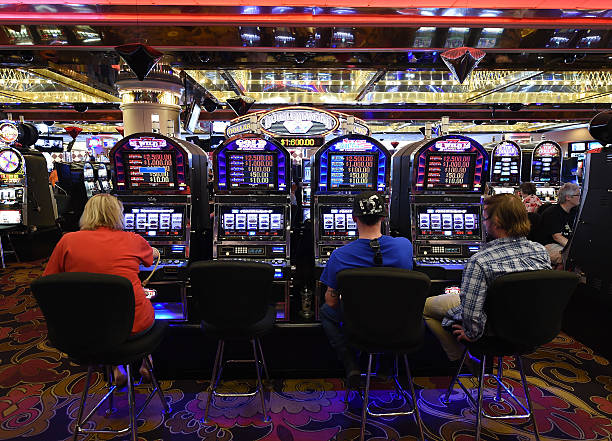
The environment in which gambling occurs also plays a crucial role in shaping attraction. Whether it’s the vibrant lights and sounds of a casino or the convenience of online platforms, these stimuli create an immersive experience that enhances the desire to play. This sensory overload can distort perceptions of risk and reward, further complicating the decision-making process.
The psychological triggers behind gambling behavior
Cognitive biases significantly influence gambling behavior, often leading individuals to make irrational decisions. One common bias is the illusion of control, where gamblers believe they can influence the outcome of games of chance. This misconception fosters a false sense of confidence, driving continued engagement even when evidence suggests otherwise.
The impact on decision-making processes
The psychological effects of gambling extend to various aspects of decision-making. When individuals are engaged in gambling, their ability to weigh options may become impaired. Factors such as time distortion and heightened emotional states can cloud judgment, leading to hasty or poorly thought-out choices.
Moreover, the stakes involved can heighten anxiety and anticipation, further complicating the decision-making landscape. As players chase losses or try to maximize gains, they may prioritize short-term outcomes over long-term financial stability, leading to detrimental choices that can have lasting impacts on their lives.
The social implications of gambling behavior
Gambling is often a social activity, and its psychological effects can ripple through interpersonal relationships. The need to gamble can lead to secrecy and deception, eroding trust among friends and family. Individuals may prioritize gambling over essential responsibilities or relationships, resulting in feelings of isolation and guilt.
Furthermore, the social environment surrounding gambling can normalize excessive behavior. When friends or peers engage in gambling, it may create a perception that such activities are acceptable or even encouraged. This social reinforcement can make it difficult for individuals to recognize the potential risks associated with their behavior.

Exploring responsible gambling resources
Understanding the psychological effects of gambling can pave the way for more informed decision-making and healthier behaviors. Various resources are available to help individuals navigate the complex landscape of gambling, including support groups and educational programs aimed at promoting responsible gambling practices.
Moreover, online platforms increasingly incorporate responsible gambling features to aid users in managing their habits. These resources can empower individuals to recognize their limits and make choices that prioritize well-being over fleeting thrills, ensuring a safer gambling experience.
“`